Showing posts with label stop runny nose. Show all posts

More People Suffering From Hay Fever In The Next 20 Years


The number of people who suffer from hay fever could reach an estimated figure of 30 million in the next 20 years. This was reported in the Hay Fever Health Report 2010 which was commissioned by Kleenex. Hay fever rates may triple between now and 2030. One of the reasons contributing to this is the increase of people moving to the cities resulting in more allergies as pollution from traffic and industries irritate people's airways.

So if you have suffer frequently from hay fever, you might like to move to a less polluted area to stop your runny nose.

In the UK, big cities like London and Birmingham could see about 45% of the population affected. Coastal towns and cities suffer less with the sea breeze reducing the effect of pollution. Current estimates suggest one in five suffer from hay fever.

Stress increases hay fever symptoms
The report also found that the more stressed a person feels the more likely they are to have more severe symptoms.The author of the report, Professor Jean Emberlin, director of National Pollen and Aerobiology Research unit at the University of Worchester said that although pollen count in th city is lower than in the countryside, hat fever rates are higher in urban areas. The reason is the higher air pollution. Vehicle exhaust pollutants affect the respiratory tracts making the hay fever symptoms worse. Faster pace of life leads to higher stress levels making people more susceptible to allergies.

Having a less stressful life will certainly help as a remedy for a runny nose.

Climate change also affect the pollen seasons making them longer and more severe.

Courtesy of The UK Telegraph
Enhanced by Zemanta

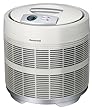
Use Air Purifier To Stop A Runny Nose

Having an air purifier at home will certainly help as a remedy for a runny nose.

Take a look at your environment and see if there are any possible areas where you can reduce if not eliminate those sources which causes your runny nose. I know it is sometimes not possible to create a totally dust free environment but certain steps can still be taken so that it is kept to a minimum.

The environmental irritants often causing a runny nose include, dust, animal dander, cigarette smoke and pollen. The use of an air purifier in your home helps to reduce much of these pollutants.


A good air purifier can remove as much as 99.7% of airborne particles. The purifier also helps reduce airborne germs, bacteria, mold spores and fungus.

Most people find they can stop a runny nose with the use of an air purifier. You also find the air smells fresher too.


Enhanced by Zemanta

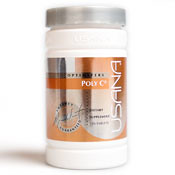
How Vitamin C Helps Stop The Runny Nose

Vitamin C Helps Lessen Runny Nose

During an allergic attack like hay fever the Vitmain C level drops while the histamine in the blood rises. Histamine is released when a person who has a sensitive immune system inhales pollen or dust. This causes itching, runny nose and sneezing.

According to research at the Arizona State University the people who consume 2,000 mg of Vitamin C per day have a blood histamine level 40 percent lower than those who consume the RDA (US Recommended Daily Allowance.)

Vitamin C doesn't block the histamine receptors like the anti-histamine drugs, which is what gives the quick relief. Vitamin C lowers the levels of histamines in the blood. It is safe to say that Vitamin C help prevent or lessen allergy symptoms over the long term. It doesn't act as a quick treatment for existing symptoms. 

In the long term it would seem that taking Vitamin C is a good remedy for a runny nose.


Vitamin C and bioflavonoids together work better

Bioflavonoids are the substance that give fruits and vegetables their rich colour. They work in synergy with Vitamin C. This means when use together you will get more benefit.

The best bioflavonoid for hay fever is quercitin. It helps stablilise the cell membranes of those cells which discharge histamine into the blood stream. It is a natural anti-histamine helping to reduce inflammation of the nasal passages, the bronchial airways and the throat.

Foods which has this nutrient include red and yellow onions, shallots, squash, courgettes and broccoli.

Vitamin C rich foods - guave, bell peppers, strawberries, cabbage, kale. kiwi and oranges.

So the next time you buy some Vitamin C, look for those with bioflavonoids to stop your runny nose.

Enhanced by Zemanta